May 30, 2026
by James Leonard M. Bautista, AMT
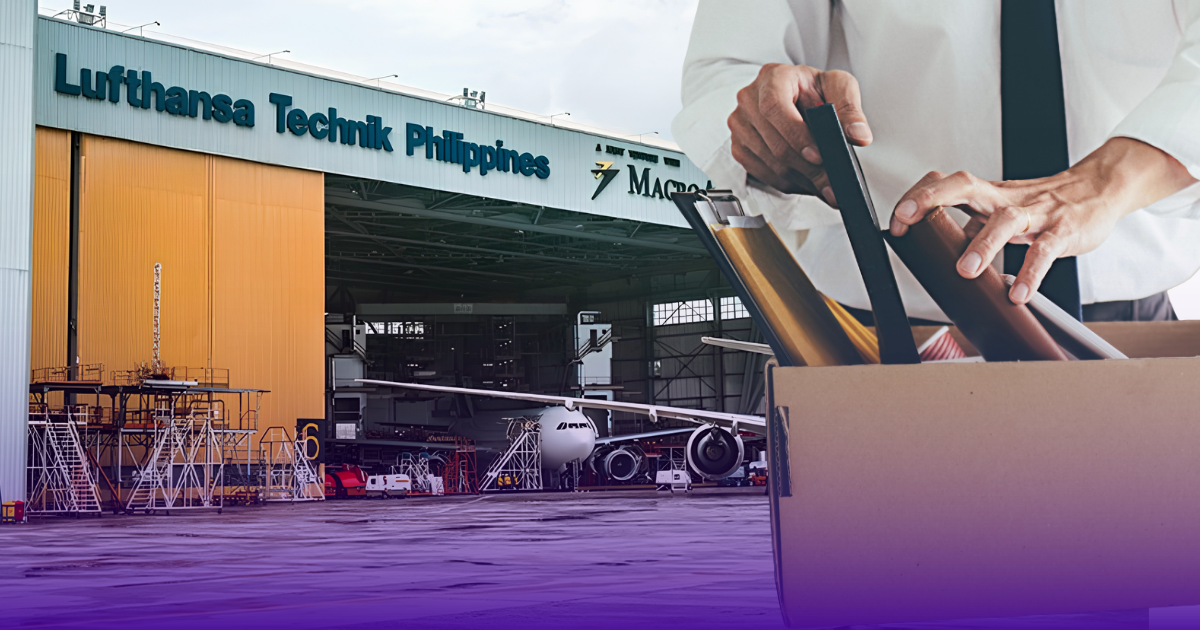
Some changes are predictable, but Lufthansa Technik Philippines’ (LTP) sudden exit from line maintenance was unexpected, disrupting the country’s aviation sector and affecting many beyond the airport. For Filipino aircraft mechanics and their families, this is more than a business decision. It tests the industry’s resilience and highlights critical issues regarding labor rights and the need for reform.
LTP has maintained high standards in aircraft maintenance, repair, and overhaul (MRO). Its line maintenance teams ensured fleet safety, operational reliability, and a strong reputation. With this sudden withdrawal, airlines must find alternatives; competitors are adapting, and hundreds of skilled Filipino mechanics face uncertainty. In an industry where safety is paramount, public trust and many livelihoods are now at stake.
The timing is particularly challenging. According to The Freeman, the Philippine aviation industry is facing a growing shortage of pilots and aviation engineers as air travel demand continues to outpace the sector’s ability to train new talent. This has led to concerns about job security and the future for experienced mechanics who support their families and have long contributed to the industry’s development. This loss impacts both technical operations and the lives of many.
With LTP’s departure, the key concern is not just who will take over but how they will maintain standards. Will airlines prioritize cost over quality, risking lower standards? If cost-cutting prevails, jobs, passenger safety, and the reputation of Philippine aviation could all be jeopardized.
The industry and government must now act transparently, not only to maintain public trust but also to address the concerns of those most directly impacted. What prompted LTP’s sudden decision, and how will this affect the livelihoods of its workers and their families? The challenge faced by many displaced mechanics is illustrated by accounts from those who, following similar past industry disruptions, have struggled to secure new employment due to specialized skill sets and limited alternative opportunities in the region (Gonzalez, 2024). Are there concrete plans to provide these workers with retraining, job placement, or financial support, or will they be left without meaningful assistance in a precarious labor market? Furthermore, will regulators prioritize protecting workers’ rights and professional standards as new line maintenance providers are brought in, or does the risk remain that less qualified companies may enter the market, potentially endangering both jobs and safety?
Good governance must prioritise people over politics and profits. The Filipino public deserves transparency, and workers need tangible support, not just assurances. Accountability requires understanding the reasons behind this decision and providing meaningful assistance to those affected. It also demands that safety and quality are upheld despite business pressures.
The MRO sector is vital to aviation, and mechanics are central to its success. Their expertise is invaluable and not easily replaced. For the industry to endure challenges, people must be valued as much as profits. This crisis calls for industry collaboration, government intervention when necessary, and a renewed commitment to the standards that established LTP’s leadership.
Following LTP’s exit, the industry must choose between disarray and a response grounded in transparency, responsibility, and meaningful change. The future of Philippine aviation and respect for its workforce depend on the decisions made now.