May 15, 2026
by Dinize Pradanos
It opens as it closes, filled with mysteries that travel down the hallway, bringing surprises, gasps, and echoes. Do opportunities truly open for students, or does society slowly close their intellectual capacity and ability to uphold the knowledge they are meant to possess? The primary purpose of knowledge is to reveal truth, create value, and serve as a weapon against ignorance, something that society must protect and preserve.
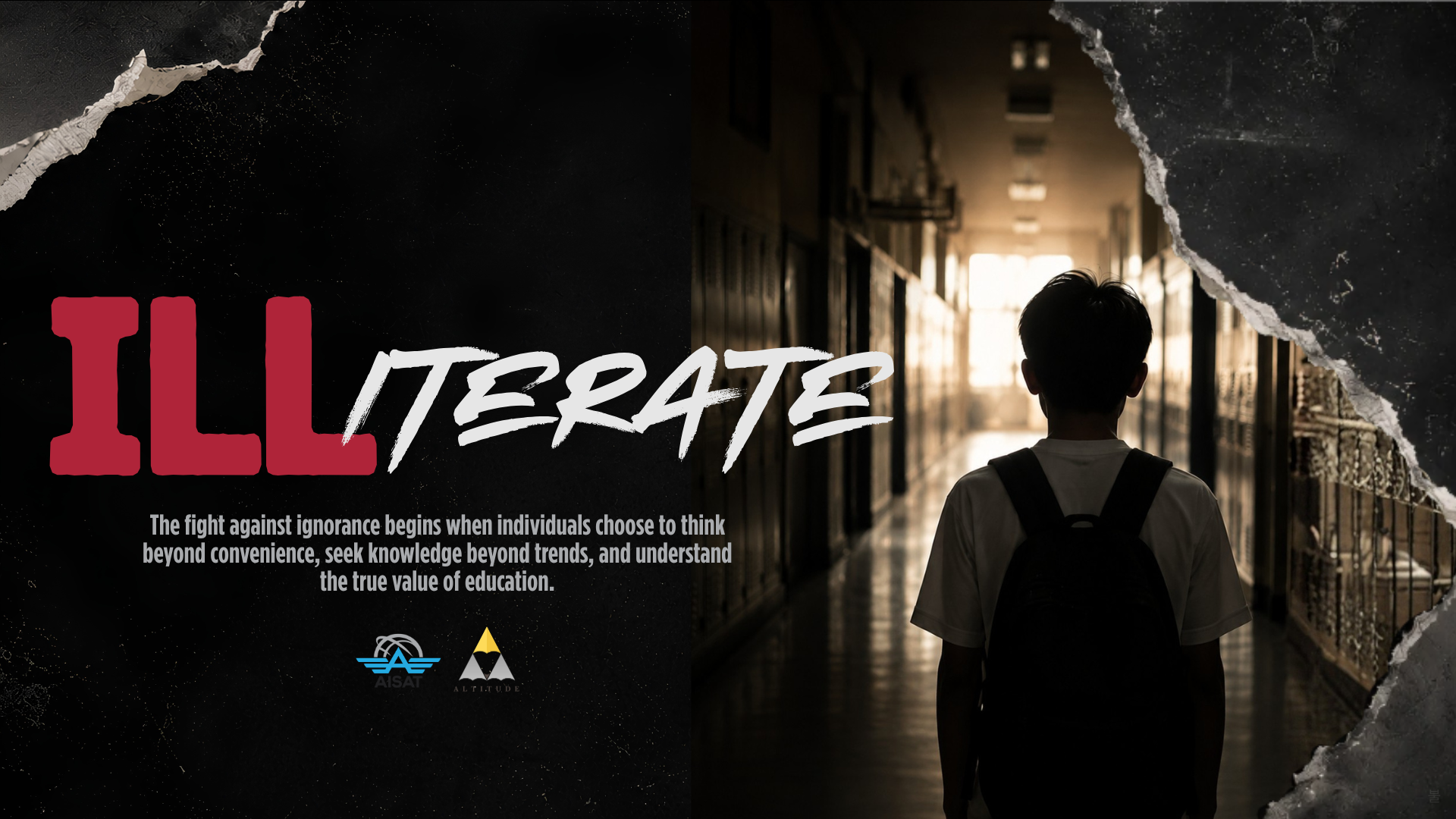
In an age where information can be accessed within seconds, many students continue to struggle not because knowledge is unavailable, but because the willingness to seek and understand it is gradually fading. This growing culture of intellectual neglect is what the term “ILL-ITERATE” aims to represent. It is not merely the inability to read or write, but the refusal to think critically, question reality, and value the true purpose of learning.
The rise of convenience through technology has become both a blessing and a challenge. Mobile phones, artificial intelligence, and social media platforms have made learning more accessible, yet they have also encouraged a culture in which people prioritize instant answers over genuine understanding. Most students often rely on copied information, summarized content, and temporary solutions rather than developing discipline, comprehension, and independent thought. Many educators and youth leaders believe that this behavior has gradually weakened the meaning of education itself. We are consumed by laziness and the constant desire to make things easier for ourselves. Instead of strengthening our minds and abilities, many choose shortcuts that slowly weaken discipline, perseverance, and the willingness to learn.
As this behavior continues to spread, ignorance slowly becomes normalized. Experts warn that when society tolerates misinformation, intellectual passivity, and the lack of critical thinking, ignorance itself becomes contagious. Younger generations begin to believe that learning is no longer valuable and that convenience matters more than wisdom and growth. Despite these challenges, many young individuals continue to stand as symbols of hope and transformation. Youth organizations, student leaders, and community-based programs continue to encourage active participation in leadership, volunteerism, and social awareness.
In today’s generation, the youth continue to become the stronger and wiser roots of change. They are not merely followers of progress but initiators of transformation. The fight against ignorance begins when individuals choose to think beyond convenience, seek knowledge beyond trends, and understand the true value of education