
September 30, 2025
by James Leonard M. Bautista, AMT
Come on in, fitness lovers and confused dieters! You’ve heard the rumors, read the news, and probably bought the pricey tea. We hear about the latest secret to losing weight all the time: keto, intermittent fasting, carb cycling, and the magic pill that a celebrity who probably doesn’t know what a pill is says works.
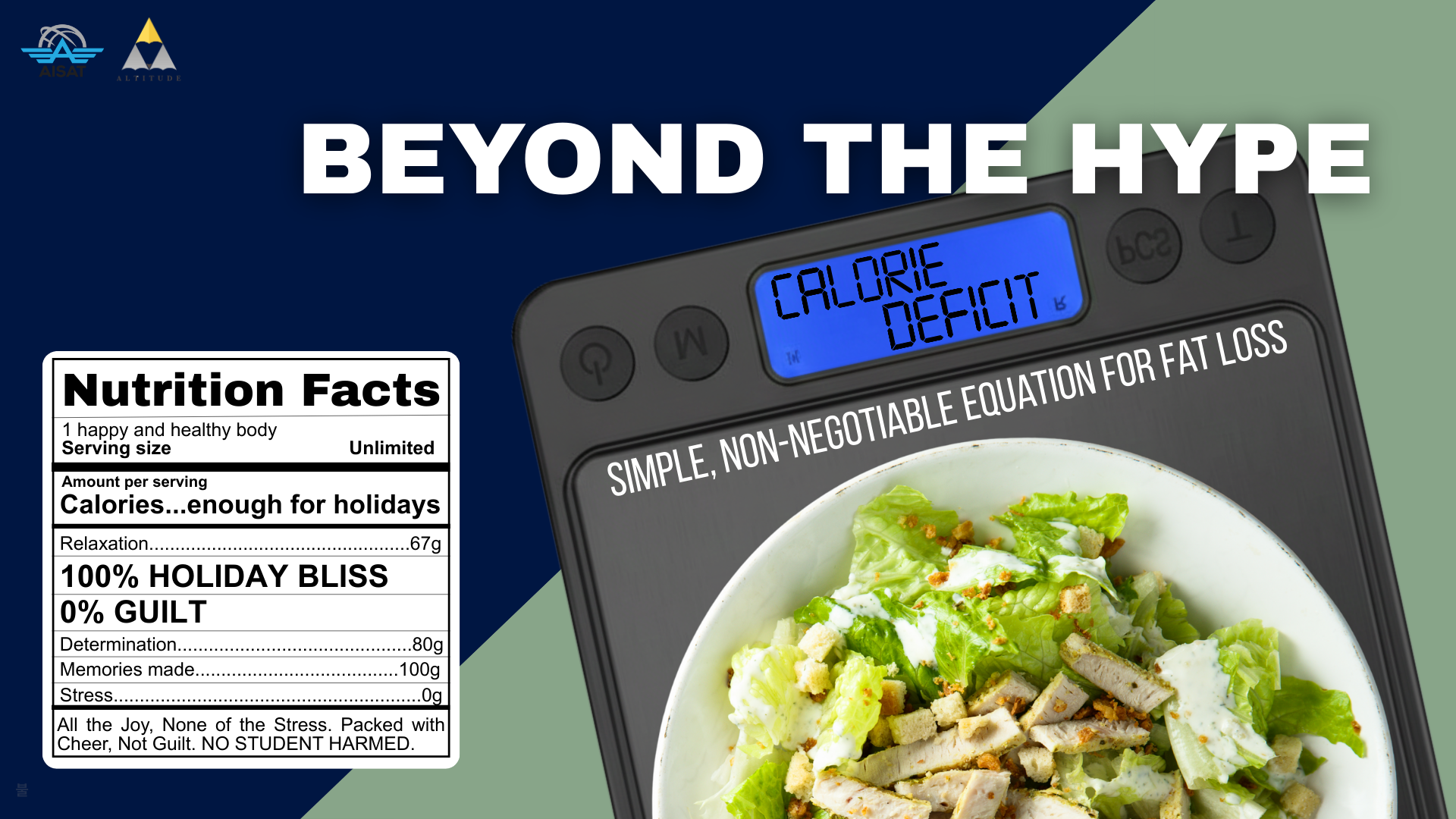
Let’s get rid of the noise, the fake science, and the influencers who are trying to sell you extra supplements you don’t need. The real, non-negotiable formula for losing weight is so easy that it’s boring, but it has the power to change everything. I’m talking about the Calorie Deficit.
The Unflinching Law of Thermodynamics ⚖️
Your body isn’t a creative, emotional chef; it’s a strict, stubborn bookkeeper. It works according to the First Law of Thermodynamics, which says that energy can’t be created or destroyed, only moved. 1 This means that the most basic, but often forgotten, equation for your weight is
Calories In minus Calories Out equals Energy Balance. If the “Calories In” (the food you eat) is more than the “Calories Out” (what you burn through living, moving, and exercising), your body stores the extra energy. 2 Where does it keep it? Fat.
If “Calories In” is less than “Calories Out,” that means you have a calorie deficit. When your body runs out of energy, it has to get the energy it used to have back. And where is that energy that is so valuable? In your cells that store fat.
This is the whole, undeniable way that fat loss happens. Every diet that works, no matter how strange or normal, only works because it gets you to this point. Keto limits carbs, which usually means you eat a lot fewer calories overall. 3 Fasting limits the times you can eat calories. 4 They are just different ways to reach the same simple goal.
But if the math is so easy, why does it feel like putting out a grease fire with a spoon?
The Deficit Plan’s Two Big Problems 💡
The Calorie Deficit is easy to understand, but hard to stick to. We make mistakes in two important ways:
The Hidden Calories: People seriously underestimate how many calories they eat. That “splash” of milk you put in your coffee? The few nuts you didn’t keep track of? The two pieces of pizza your kid left over? Those are all hidden calories that are taking over your deficit without you knowing it. Studies show that most people don’t eat as much as they say they do every day, by hundreds of calories. You might think you’re in the red, but your accountant body is laughing at your books. Tracking is the big reveal.
The Burnout Trap: As soon as you know you only have 1,500 calories left for the day, you start eating lettuce and chicken breast. This is boring, cuts you off from other people, and can’t last. A good deficit is small and stays the same. You have to eat enough to keep your hormones happy, your energy up, and your mind clear. Try to eat 300 to 500 fewer calories than you need to keep your weight stable. This is the difference between a sprint to failure and a steady, winning marathon.
If consistency is the key, what’s the one food you can eat every day that will keep you sane and not break the bank?
The Smart Deficit Strategy: More Than Just the Number 🔑
You can’t eat junk food just because you have a deficit. You need to feel full and lose fat, not muscle. Prioritizing protein and fiber is the smart way to create a deficit. Protein is important for keeping muscles healthy, and fiber keeps you full for longer. 5 You can hack the system by swapping out low-nutrient, high-calorie foods (like sugary drinks) for high-volume, high-protein foods (like lean meat and vegetables). You feel full and satisfied, but you are still not getting enough energy.
There is no way around the Calorie Deficit. All the fancy diets are just hard ways to get to this point. Get really good at math and become a very careful accountant, and the fat that won’t go away will have to give up.