
February 15, 2025
by Matte Jayferson M. Manon-og
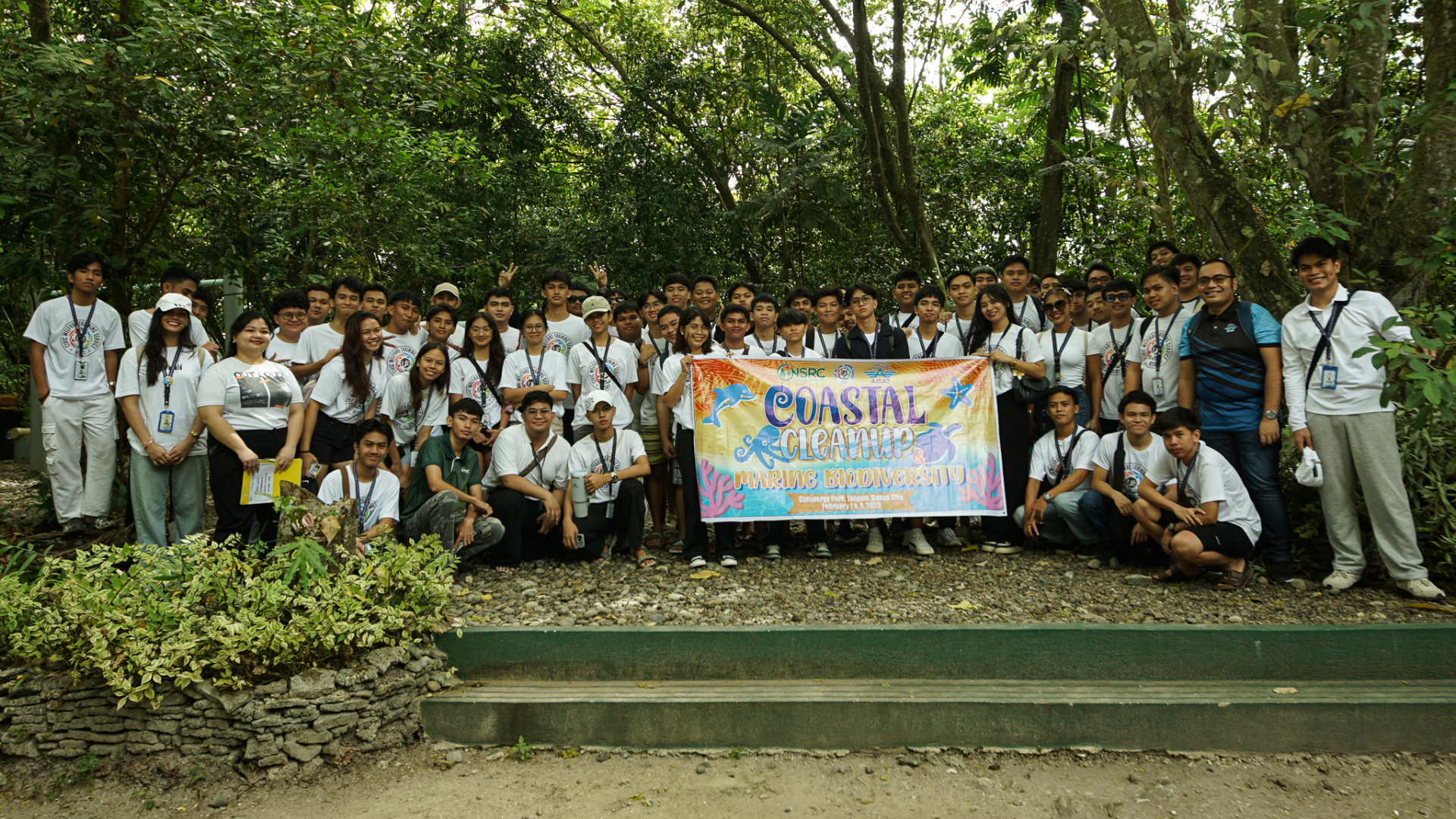
On February 1 and 8, 2025, demonstrating a strong commitment to environmental stewardship and community service, students from the Asian International School of Aeronautics and Technology (AISAT), under the National Service Training Program – Civic Welfare Training Service (NSTP-CWTS), participated in an Educational Tour and Coastal Clean-Up at the Aboitiz Cleanergy Park in Punta Dumalag, Davao City.
This initiative provided students with a deeper understanding of biodiversity conservation and ecological responsibility, while allowing them to engage in a hands-on effort to restore and protect the coastal environment. By actively participating in the cleanup, they contributed to the preservation of marine ecosystems and gained valuable insights into the impact of pollution and the importance of sustainability.
The experience also reinforced AISAT’s core values of Accountability, Intelligence, Sensitivity, Articulateness, and Technological Savviness – emphasizing that the next generation of aviation professionals must not only excel in their technical expertise but also uphold a strong sense of social and environmental responsibility. Through this meaningful initiative, AISAT students demonstrated that true progress is achieved when innovation and sustainability go hand in hand.
Nestled in Punta Dumalag, Davao City, the Aboitiz Cleanergy Park is an eight-hectare nature reserve dedicated to the protection and rehabilitation of coastal and marine ecosystems. Managed by the Aboitiz Foundation in collaboration with the Department of Environment and Natural Resources (DENR), the park serves as a sanctuary for various species of flora and fauna, particularly the endangered Hawksbill Sea Turtle (Eretmochelys imbricata), locally known as pawikan. Over the years, the park has successfully rescued, rehabilitated, and released numerous sea turtles, playing a vital role in global conservation efforts and reinforcing the importance of marine biodiversity protection.
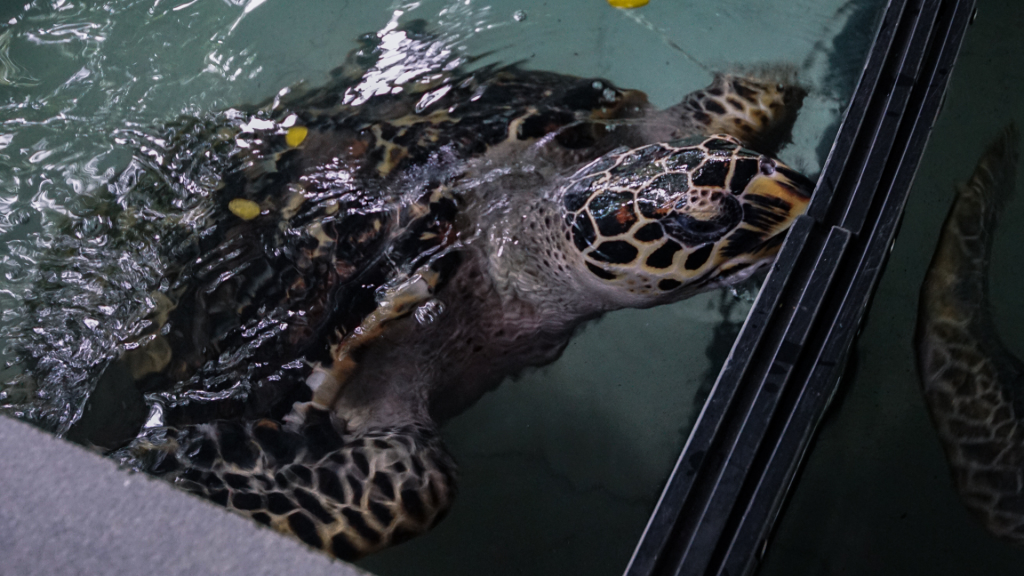
Beyond being a safe nesting ground for pawikans, the Cleanergy Park functions as a living laboratory for environmental sustainability, offering a thriving habitat that includes mangrove forests, seagrass beds, and a rich marine ecosystem. Its diverse landscapes not only support local wildlife but also serve as a crucial buffer against coastal erosion and climate change impacts. Through its educational programs, rehabilitation initiatives, and proactive conservation efforts, the park stands as a model for environmental stewardship, demonstrating how communities, industries, and individuals can collaborate to safeguard natural resources for future generations.
Students participated in a guided educational tour around the Cleanergy Park. Environmental specialists and park rangers discussed the importance of marine biodiversity, proper waste management, and the effects of climate change and pollution on coastal communities. One of the most inspiring moments was learning about the Hawksbill Sea Turtle conservation program. Students observed the protected nesting sites and learned about the rehabilitation process for rescued turtles. Understanding the challenges faced by these endangered creatures strengthened their commitment to preserving natural habitats and reducing human impact on wildlife.
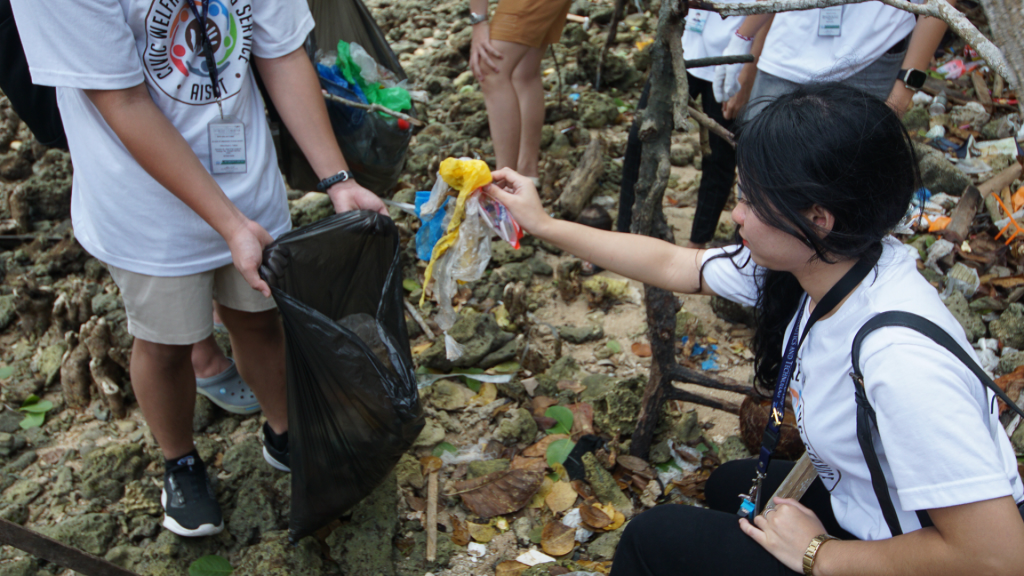
One of the highlights of the visit was the coastal clean-up, where the students took an active role in removing plastic waste, debris, and other pollutants from the shorelines of the Aboitiz Cleanergy Park. This initiative not only allowed them to contribute to environmental preservation but also provided a firsthand perspective on the consequences of human negligence on marine ecosystems, reinforcing the urgent need for proper waste management and sustainable practices, not only here in the Philippines but across the globe. Beyond the immediate environmental impact, the clean-up emphasized the broader implications of waste mismanagement, including its contribution to climate change and its effects on industries that rely on healthy ecosystems, such as fishing and tourism.
“Seeing the amount of plastic waste along the coast was devastating yet eye-opening. It shows how our one simple irresponsible action, when repeated by millions, can lead to such destruction.” shared one AISAT student.
Through this initiative, the students did not only pick up trash, they gained a renewed sense of responsibility and awareness. Their participation in the clean-up was more than an act of service or for the sake of their grades, it was a realization that every action, no matter how small, contributes to a larger movement toward environmental sustainability. The experience served as a call to action, urging them to become ambassadors of change, and encouraging their peers, families, and communities to adopt to a more sustainable habit. Environmental preservation is not the work of a single person, organization, or group, it is a collective effort that requires commitment and consistency towards a greener, more sustainable world.
The students left Aboitiz Cleanergy Park not only with newfound knowledge but with a stronger sense of purpose in contributing to a sustainable future. They understood that as future aviation professionals, they have a responsibility to advocate for environmentally friendly practices, whether through cleaner technology, responsible waste management, or supporting conservation efforts. Their experience serves as a powerful reminder that small actions, when done collectively, can lead to meaningful change. By engaging in activities like these, students are not just learning about sustainability, they are living it, embodying the values of accountability, intelligence, sensitivity, articulation, and technological awareness.
It is fitting to say, “The skies we dream of flying in will only remain beautiful if we take care of the world beneath them.”
Through initiatives like this, AISAT students are proving that they are not just preparing for careers in aviation, they are preparing to be pilots of change, stewards of responsibility, and designers of a more sustainable future. As they strive to reach new heights in their future profession, may they also recognize that true progress is not just about soaring through the skies but ensuring that the world beneath remains just as beautiful, livable, and thriving for generations to come.